Our Official Bank Details


Zenith Bank Plc

Nationwide Building Society
Account Number: 1311914635
STAR OF DAVID’S EVANGELICAL MINISTRY
A/C #: 22799115, Sort Code: 07-08-06
Dennis ONWUKA, Nationwide Bank
Email
starofdavidevangelicalministry@gmail.com
Email
dennis@starofdavidevangelicalministry.com

Shavuot 2026, G-d’s Divine Feast is here

Shavuot 2026 (a two-day holiday, celebrated from sunset on May 21, 2026 until nightfall on May 23, 2026) coincides with the date that G‑d gave the Torah to the Jewish people at Mount Sinai more than 3,000 years ago. It comes after 49 days of eager counting, as we prepared ourselves for this special day.

It is celebrated by lighting candles, staying up all night to learn Torah, hearing the reading of the Ten Commandments in synagogue, feasting on dairy foods and more.

What Shavuot Commemorates The word Shavuot (or Shavuos) means “weeks.” It celebrates the completion of the seven-week Omer counting period between Passover and Shavuot.

The Torah was given by G‑d to the Jewish people on Mount Sinai on Shavuot more than 3,300 years ago. Every year on the holiday of Shavuot we renew our acceptance of G‑d’s gift, and G‑d “re-gives” the Torah.

The giving of the Torah was a far-reaching spiritual event—one that touched the essence of the Jewish soul for all times. Our sages have compared it to a wedding between G‑d and the Jewish people. Shavuot also means “oaths,” for on this day G‑d swore eternal devotion to us, and we in turn pledged everlasting loyalty to Him. Learn more about the giving of the Torah and what it means to us today.

In ancient times, two wheat loaves would be offered in the Holy Temple on Shavuot. It was also at this time that people would begin to bring bikkurim, their first and choicest fruits, to thank G‑d for Israel’s bounty.

Shavuot Celebration

שתי הלחם ~ Shtei halechem (sh-tay ha-lechem) ~ The Two Loaves. “minchah chadashah” — “a new meal-offering” “Ye shall bring out of your dwellings two wave-loaves of two tenth parts of an ephah; they shall be of fine flour, they shall be baked with leaven, for first-fruits unto HaShem….” (Leviticus 23: 17).

שָׁבוּעוֹתShavuot ~ The Feast Of Week

‎“Seven weeks shalt thou number unto thee; from the time the sickle is first put to the standing corn shalt thou begin to number seven weeks. And thou shalt keep the feast of weeks unto HaShem thy G-d after the measure of the freewill-offering of thy hand, which thou shalt give, according as HaShem thy G-d blesseth thee.” (Deuteronomy 16:9-10)

The Two Loaves which must be chametz, and which are described as bikkurim of the wheat harvest, is a new meal offering which God commands must be brought during the Feast of Weeks.

The Feast of Weeks celebrated 50 days after Pesach and the feast of Matzos (Unleavened Bread, (after counting seven weeks – 49 days). Shavuot is one of the three biblical pilgrimage holidays known as the shalosh regalim. It is also known as the feast of first fruits. It commemorates the revelation of the Torah on Mt. Sinai to the Jewish people – The Sinai Revelation. Marked also as a celebration of the first grain harvest, Chag HaKatzir, and the offering of first fruits, Yom HaBikurim. Shavuot means weeks. We are told to bring sacrificial offerings and have a day of rest, a holy convocation for God, expressing gratitude and joy.

Our Sages teach that Shavuot is a A Time For Healing because on that first Shavuot, God healed our ancestors of the wounds of rejection and redeem the sin of the people. By celebrating receiving the Torah, each year we reframe history, turning what once was a blemish on the people into a reaffirmation of loyalty and partnership.

As a metaphor for a wedding, Shavuot creates a re-commitment ceremony with God (the groom), and the people Israel (the bride) and Torah binding their relationship. The season relives the commitment of people who enter into a Covenant with God and then journey to the Promised Land. It was an arduous journey by a people struggling with post-traumatic stress, fears, insecurities and ambivalence.

Shavuot, is marked with many traditions. During Shavuot, we also read the Book of Ruth, a woman who voluntarily follows the laws and the God of her mother-in-law after her husband has died, even though she is a non-Jew. In her zealous behavior, we are reminded of “choosing,” once again, our own treasured tradition.

Ruth, considered the first convert, is rewarded for her righteousness by becoming the great-grandmother of King David, who is believed to have died on Shavuot. It is also the custom to study all night from the Prophet Ezekiel as well as passages from Torah, reinforcing the place of Torah in our hearts.

Shavuot is symbolically marked with two loaves, presented unto HaShem for a wave offering just as He has commanded. These Two wave loaves ~ Baked with leaven are synonymous with Shavuot. Concerning this, after the Children of Israel had departed Egypt, crossing the Sea of Reeds, they were on a journey to embrace destiny – to meet with the God of their fathers.

Their first stop, Mount Sinai, to personally meet HaShem, hold a feast unto Him and receive the Torah. The Sinai appointment was a prophetic sign which God gave to Moses when He told him, saying: “Certainly I will be with thee; and this shall be the token unto thee, that I have sent thee: when thou hast brought forth the people out of Egypt, ye shall serve G-d upon this mountain.’ ” Exodus 3:12.

So, as the people journeyed through to the Promised Land, the desert became an alchemic process where the people had to mature spiritually and submit totally to the will and sovereignty of God. Concerning the Two Loaves, God spoke unto Moses, and and instructed him, saying: “Ye shall bring out of your dwellings two wave-loaves of two tenth parts of an ephah; they shall be of fine flour, they shall be baked with leaven, for first-fruits unto HaShem.

And ye shall present with the bread seven lambs without blemish of the first year, and one young bullock, and two rams; they shall be a burnt-offering unto HaShem, with their meal-offering, and their drink-offerings, even an offering made by fire, of a sweet savour unto HaShem. And ye shall offer one he-goat for a sin-offering, and two he-lambs of the first year for a sacrifice of peace-offerings.

And the priest shall wave them with the bread of the first-fruits for a wave-offering before HaShem, with the two lambs; they shall be holy to HaShem for the priest.” (Leviticus 23: 17-20).

Baruch Shem Kivod LeOlam Va’ed! Blessed be His glorious Majesty forever and ever! Amen!

[Our praise to You, Eternal our God, Sovereign of the universe, Who brings forth bread from the earth. Amen.]

May the joy of the Torah, which was given thousands of years ago at Sinai, on which day God healed our ancestors who stood at Sinai of all infirmities, thereby preparing them physically to receive the spiritual blessings which Torah brings, nurturing the soul and body, be our this Shavuot. Amen.

And may HaShem grant that you should receive the Torah joyously and in an “inner” way ~ Kabbalat HaTorah B’Simcha U’pnimiyout!

And may His shalom be upon us, granting us a wonderful Feast of Weeks! Shavuot Sameach! Happy Feast of Weeks. May the spiritual food bring physical liberty and wellness. Amen.

Yom Tov!

How Is Shavuot Celebrated?

  • Women and girls light holiday candles to usher in the holiday, on both the first and second evenings of the holidays. Read the holiday candle-lighting procedure here.
  • It is customary to stay up all night learning Torah on the first night of Shavuot. Read how and why we stay up here.
  • All men, women and children should go to the synagogue to hear the reading of the Ten Commandments on the first day of Shavuot. Learn about the Ten Commandments here.
  • As on other holidays, special meals are eaten, and no “work” may be performed. More on how we “rest” on Jewish holidays.
  • It is customary to eat dairy foods on Shavuot. Menus range from traditional cheese blintzes to quiches, casseroles and more. Learn the reasons for eating dairy on Shavuot here.
  • On the second day of Shavuot, the Yizkor memorial service is recited. Brush up on Yizkor here.
  • Some communities read the Book of Ruth during morning services, as King David—whose passing occurred on this day—was a descendant of Ruth the Moabite. Read the Book of Ruth here.
  • Some have the custom to decorate their homes (and synagogues) with flowers and sweet-smelling plants in advance of Shavuot. Read 7 classic reasons for this custom here.

Shavuot FAQ

What is Shavuot?

What is Shavuot? Shavuot is a Jewish holiday on the anniversary of the giving of the Torah to Moses on Mount Sinai. Coming after the 7-week Omer Count, It is also known as the Festival of Weeks. Read: 11 Shavuot Facts Every Jew Should Know

What does Shavuot mean?

Shavuot means “weeks” and it is thus named because comes after counting 49 days (7 weeks) from the second day of Passover, each day becoming more refined and more ready for this special celebration. Read: What Is the Meaning of Shavuot?

When is Shavuot celebrated?

Shavuot is a two-day holiday. Coming after the seven-week Omer count, it is celebrated on the sixth and seventh days of the Hebrew month of Sivan, which usually falls in late May or early June on the Gregorian calendar.

How long is Shavuot?

In Israel, Shavuot is just one day long, beginning before sunset and concluding after night has fallen the following day. In the diaspora, it is a two-day holiday, extending for another 24 hours. Read: Why The Extra Day in the Diaspora?

How to celebrate Shavuot?

Shavuot is celebrated by lighting candles each night, staying up all night studying Torah, hearing the 10 Commandments during synagogue services, and eating festive meals, some of which may include dairy foods. Explore: Shavuot Laws & Customs

Is work permitted on Shavuot?

Like other holidays (yom tov), work is not allowed on Shavuot, with the exception of certain forms of food prep (such as cooking on a preexisting flame) and carrying without an eruv. Read: Laws of Yom Tov

What is the significance of eating dairy foods on Shavuot?

One explanation is that the Torah is compared to milk and honey, and dairy foods symbolize the sweetness and richness of the Torah. Read: Why Eat Dairy on Shavuot?

Why is the Book of Ruth read on Shavuot? The story of Ruth takes place during the barley harvest, which coincides with the time of Shavuot. Ruth’s journey to convert to Judaism and join the Jewish people is seen as an example of devotion and loyalty to the Torah. Read: Ruth-Shavuot Connections.

Why stay up all night studying Torah on Shavuot?

The most common reason is that the Israelites overslept on the morning they were supposed to receive the Torah, so staying up all night “fixes” that missed opportunity. Read: Learning All Night on Shavuot.

When are the 10 Commandments read?

The 10 Commandments are read as part of morning services on the first day of Shavuot. Since so many kids come to that service, it is often followed by an ice cream party for children (and a dairy reception for the adults). Read: Hear the 10 Commandment.

Who should attend the 10 Commandments reading?

The Rebbe encouraged every single Jew—men, women, and even babies—to make every effort to come to synagogue and hear the 10 Commandments from the Torah. Find: A 10 Commandments Reading Near You

Are there any specific customs associated with Shavuot?

Some Shavuot customs include decorating homes and synagogues with flowers and greenery, learning all night, hearing the 10 Commandments, eating dairy, and reading the Book of Ruth. Read: 7 Reasons From Greenery and Flowers on Shavuot

Is Yizkor said on Shavuot?

Yes, Yizkor is said as part of morning services on the second day of Shavuot (in Israel, where there is only one day, it is said on that day, following the reading of the 10 Commandments). Read: Yizkor

The Lord’s Ordained Feasts and Seasons


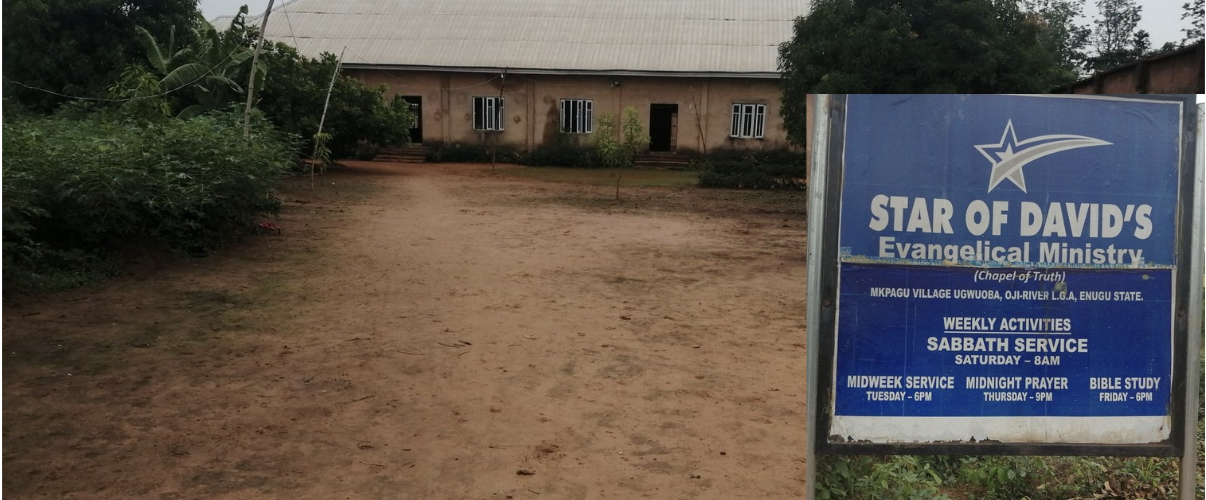
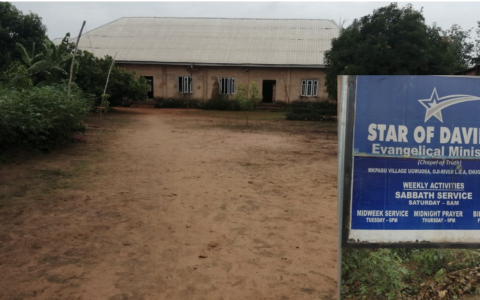
THE CHAPEL
Star of David’s Evangelical Ministry

Merriments & Refresments

Ministers & Workers

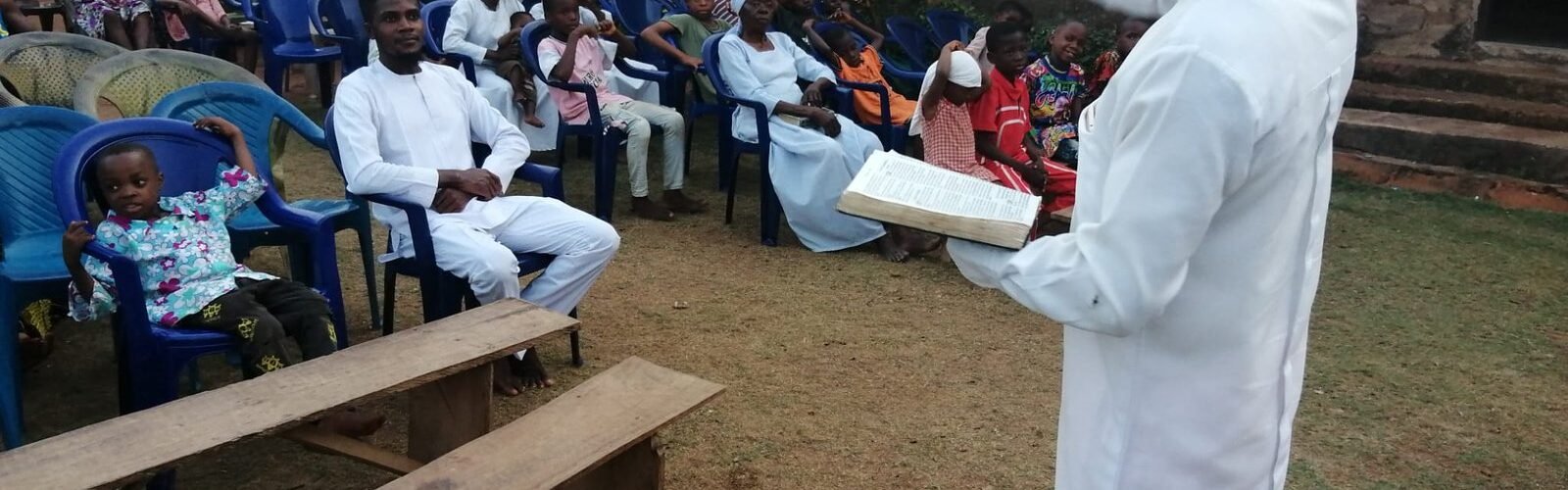
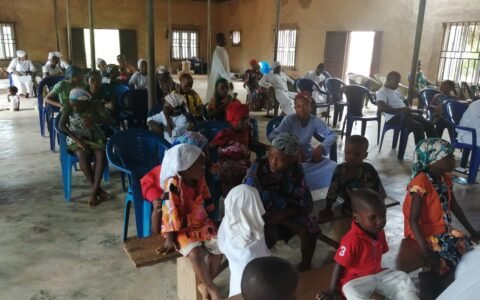
The Apostle addressing the Church

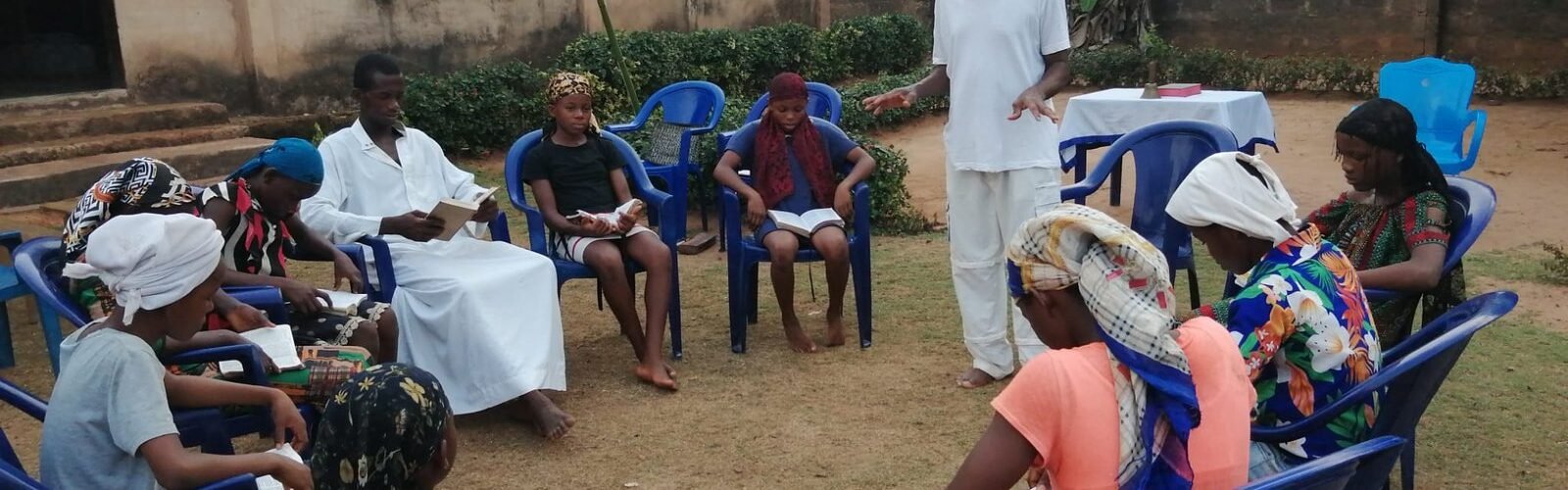
Women’s Ministry
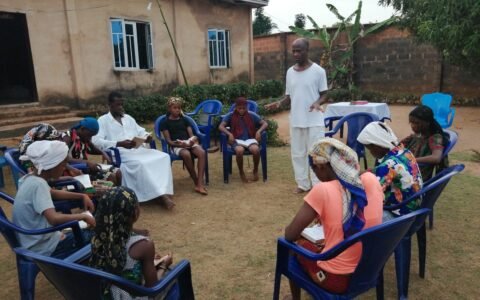
stardem_bible_session
<== Bible Study Sessions ==>
<== Youths’ Ministry ==>


<== Children's Ministry ==>

Sukkot is one of the major festivals ordained by God. Every one of the festivals of God have specific and general motifs. During the Passover, we mark redemption fro Egyptian bondage, we kill the passover lamb, put the blood on the lintel and the two door pots, roast the lamb, eat it with bitter herbs and unleavened bread; we tie girdles on on waists, wear sandals on our feet, with our staff in our hands, we keep a feast unto the Lord for seven days thereafter, eating unleavened bread. During Shavuot, the Feast of Weeks, we come before the Lord with our Two Loaves, naked with leaven, it is waved before the Lord and presented with an offering. During Sukkot, the feast of Tabernacles, our Joy is exceptional, as we rejoice in gratitude for the gift of being favoured for a new year, just days from Yom Kippur, the Day of Atonement.

Sukkot, the Feast of Tabernacles when we dwell in booths. Sukkot when we rejoice before hashem with the Four Species. the feast of Tabernacles is one of the three major festivals of God as proclaimed in the Torah:
“Three times thou shalt keep a feast unto Me in the year. The feast of unleavened bread shalt thou keep; seven days thou shalt eat unleavened bread, as I commanded thee, at the time appointed in the month Abib–for in it thou camest out from Egypt; and none shall appear before Me empty; and the feast of harvest, the first-fruits of thy labours, which thou sowest in the field; and the feast of ingathering, at the end of the year, when thou gatherest in thy labours out of the field.”
(Exodus 23:14-16).

It is technically the first of the other two to be celebrated in the Jewish year circle of the count that begins in the seventh month of Tishrei with Rosh HaShana, the “head of the year” ~ Yom Teru’ah, the day of the Blowing of Trumpets, the festival that announces the clarion call on the spirit of man to be awakened to the judgement that is executed on Yom Kippur, the Day of Atonement:

“And HaShem spoke unto Moses, saying: Speak unto the children of Israel, saying: In the seventh month, in the first day of the month, shall be a solemn rest unto you, a memorial proclaimed with the blast of horns, a holy convocation. Howbeit on the tenth day of this seventh month is the day of atonement; there shall be a holy convocation unto you, and ye shall afflict your souls; and ye shall bring an offering made by fire unto HaShem.”
Leviticus 23:23&24; 27).

Concerning Sukkot, it is written:
“And HaShem spoke unto Moses, saying: Speak unto the children of Israel, saying: On the fifteenth day of this seventh month is the feast of tabernacles for seven days unto HaShem. On the first day shall be a holy convocation; ye shall do no manner of servile work. Seven days ye shall bring an offering made by fire unto HaShem; on the eighth day shall be a holy convocation unto you; and ye shall bring an offering made by fire unto HaShem; it is a day of solemn assembly; ye shall do no manner of servile work. These are the appointed seasons of HaShem, which ye shall proclaim to be holy convocations, to bring an offering made by fire unto HaShem, a burnt-offering, and a meal-offering, a sacrifice, and drink-offerings, each on its own day; beside the sabbaths of HaShem, and beside your gifts, and beside all your vows, and beside all your freewill-offerings, which ye give unto HaShem.”
(Leviticus 23:33-38).

The festival of Sukkot is indeed a feast immersed in so much joy, hence it is called the season of our joy, the harvest season, the period when hearts are elated with the joy of reaping after months of toiling and tending of crops. Sukkot is the season of our joy. A season to rejoice at the benevolence of God Who has shown great mercy and accepted our atonement offerings and has given us a new lease of life by inscribing our names in the Book of Life for a new year. During the feast, we are also required to bring offerings, sacrifices and gifts to the Lord. Along with Passover and Shavuot, the other two major festivals, that is why Sukkot is one of the Shalosh Regalim, the three annual pilgrimages, when every male Jew was to be in Jerusalem according to the command of God that all males must appear before Him three times in a year:

“Three times in a year shall all thy males appear before HaShem thy God in the place which He shall choose; on the feast of unleavened bread, and on the feast of weeks, and on the feast of tabernacles; and they shall not appear before HaShem empty; every man shall give as he is able, according to the blessing of HaShem thy God which He hath given thee.”
(Deuteronomy 16:16&17).

Various items are brought as offering unto the Lord during Sukkot, from goats, rams to bullocks. In all, a total of 70 bulls are brought, corresponding to the 70 nations of the world. These are offered up upon the alter of sacrifice for a sweet aroma unto the Lord, our God.
May this season bring us abundant joy!

May we in truth and obedience, offer this prayer to Hashem, saying:
“Ba-ruch A-tah Ado-nai E-lo-hei-nu me-lech ha-olam she-heche-ya-nu ve-ki-yi-ma-nu ve-higi-a-nu liz-man ha-zeh.
Blessed are You, L‑rd our God, King of the Universe, who has granted us life, sustained us and enabled us to reach this occasion.” Amen.

May God grant us a wonderful and happy Sukkot – Feast of Tabernacles this year!
May this season bring us great joy! Abundant blessings!
May our harvests be bountiful and goodly!

Chag Sukkot Sameach!
Happy feast of Tabernacles!

Church resumption in Lagos State latest updateSome big churches for Nigeria wey get dia headquarters for Lagos State South West Nigeria don announce say dem no go resume church services for 9 August afta goment lift coronavirus lockdown order on worship centres.

Nigeria goment bin suspend religious gatherings for kontri since March to curb di spread of di virus.

Di Presidential Task Force on Covid-19 bin down allow di reopening of churches and mosques in di kontri for June but di Lagos State goment no gree allow worship centres for di state to reopen sake of di increase in coronavirus cases.

Dem later give go ahead for religious gathering to start on 7 August.

But some churches for di state don come out to say dem neva ready to reopen.

Di churches get different reasons for dia decisions, some say na to prepare di place for reopening wey go meet di safety protocols of di federal goment, others say dem dey wait to hear from God before dem reopen.

See di list of some churches wey no go open for 9 August:

MOUNTAIN OF FIRE AND MIRACLE MINISTRIES

Di leadership of Mountain and Fire and Miracle Ministries MFM tok say pipo no go gada together for service for all dia church regions, branches or zones wey dey Lagos and Ogun states until 13 September 2020 as dem wan put in place preventive measures against coronavirus and follow all di safety protocols wey federal goment, state goment and NCDC put for ground.

MFM on Church resumption in Lagos State
Wetin we call dis foto,

Daniel Olukoya na di Senior Pastor of Mountain of Fire And Miracle Ministries

Welcome to WordPress. This is your first post. Edit or delete it, then start writing! You may as well respond or comment to this publication.

Verified by MonsterInsights